Dear Mayor Avula,
My name is Jonathan Goldberg, and I’m a long-time Richmond resident with a connection to you through an old colleague of mine, Keith Freeman. It's my understanding that Keith's wife, Jo, worked with you at the Virginia Department of Health, and I remember she had great things to say about you, which helped inform my vote during your candidacy.
I grew up here after my dad moved to Richmond for a position at MCV as a research scientist and professor in 1974, coming from Los Angeles / UCLA. Since then, I’ve also lived in Portland, Seattle, Minneapolis, and spent ten years in New York City, where I met my wife Jessica. We moved back to Richmond in 2012 and started our family and our businesses. Jessica started Little House Green Grocery in Bellevue, and I founded A for Adventure, a graphic design and advertising agency, in Jackson Ward. Though Jessica has moved on from the grocery and I now work from home, those years operating a small business downtown taught me a great deal about what makes a city thrive – and what can cause it to struggle.
I'm writing to you today because of the recent pedestrian deaths in our city. I know we agree that these deaths are both tragic and preventable, but I believe the solutions point toward something larger: a fundamental reimagining of what Richmond could become.
Creating Magic
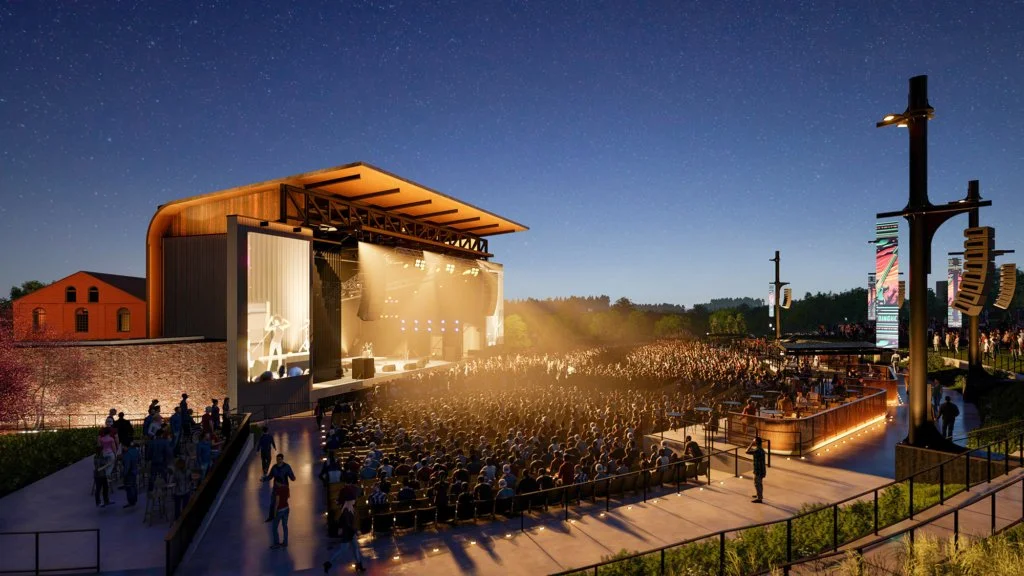
A few years ago, I was closing up my office in Jackson Ward when I heard a brass band playing New Orleans-style second line on the corner of Adams and Broad. The music echoed off those great brick buildings as the sun set. When they finished, I walked over and asked who they were. Just some guys from New Orleans in town for a conference, they said. This is what they do back home.
It was magical.
And here’s the thing: how much would it cost the City to source musicians to play on a street corner some random evening? Maybe $500? The connection it created – people stopping, smiling, the whole street coming alive – was, well, magical.
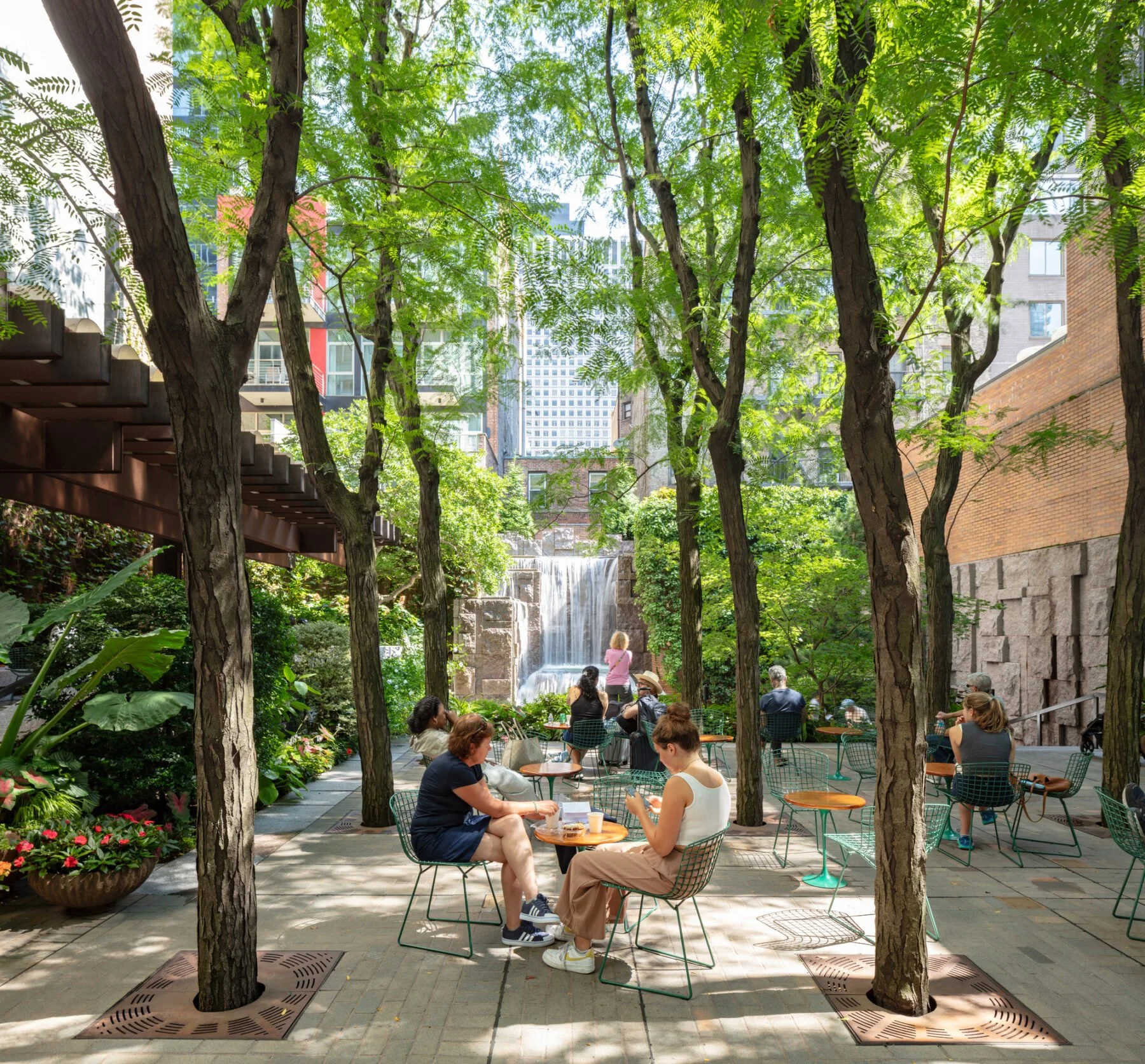
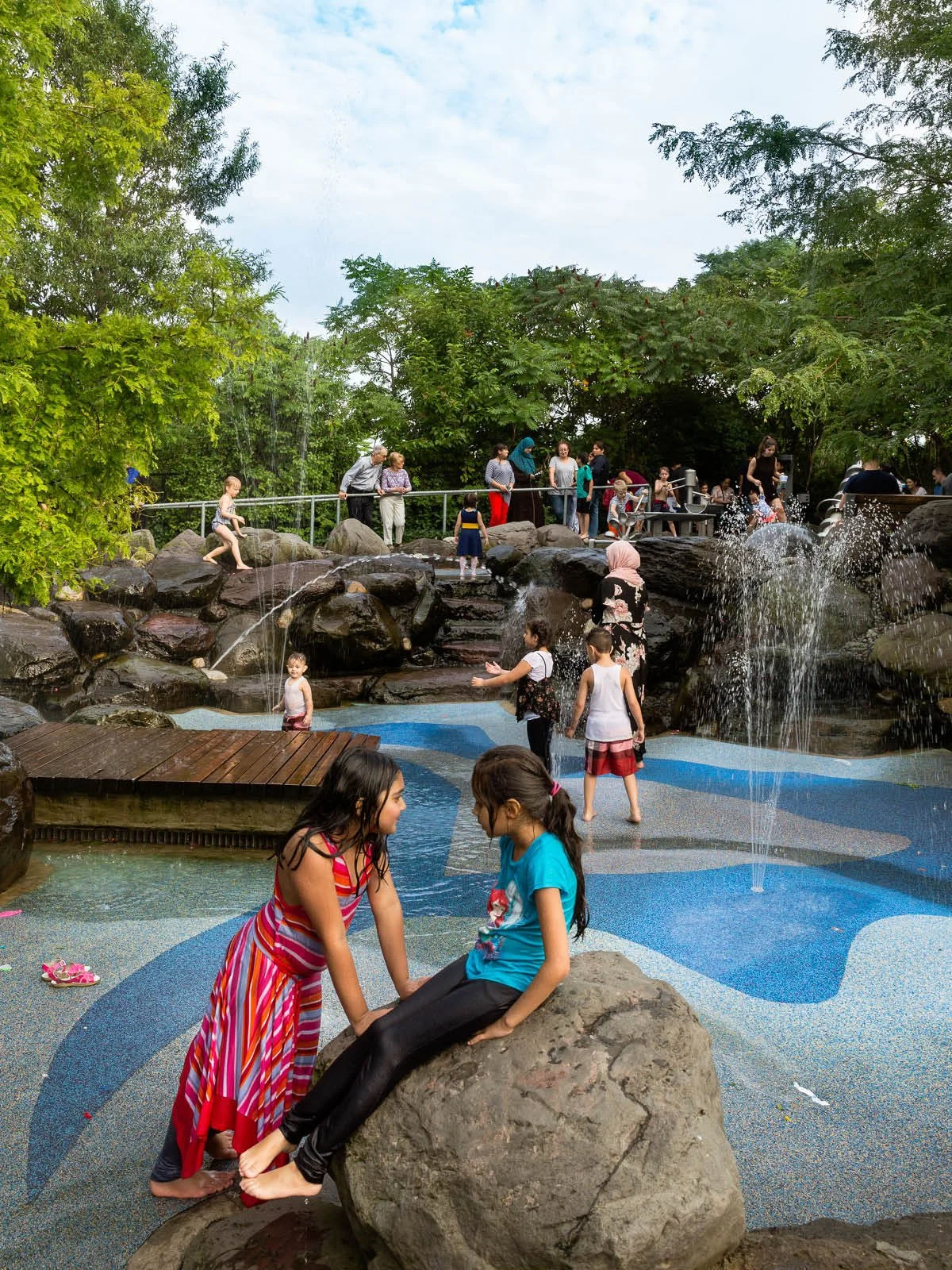
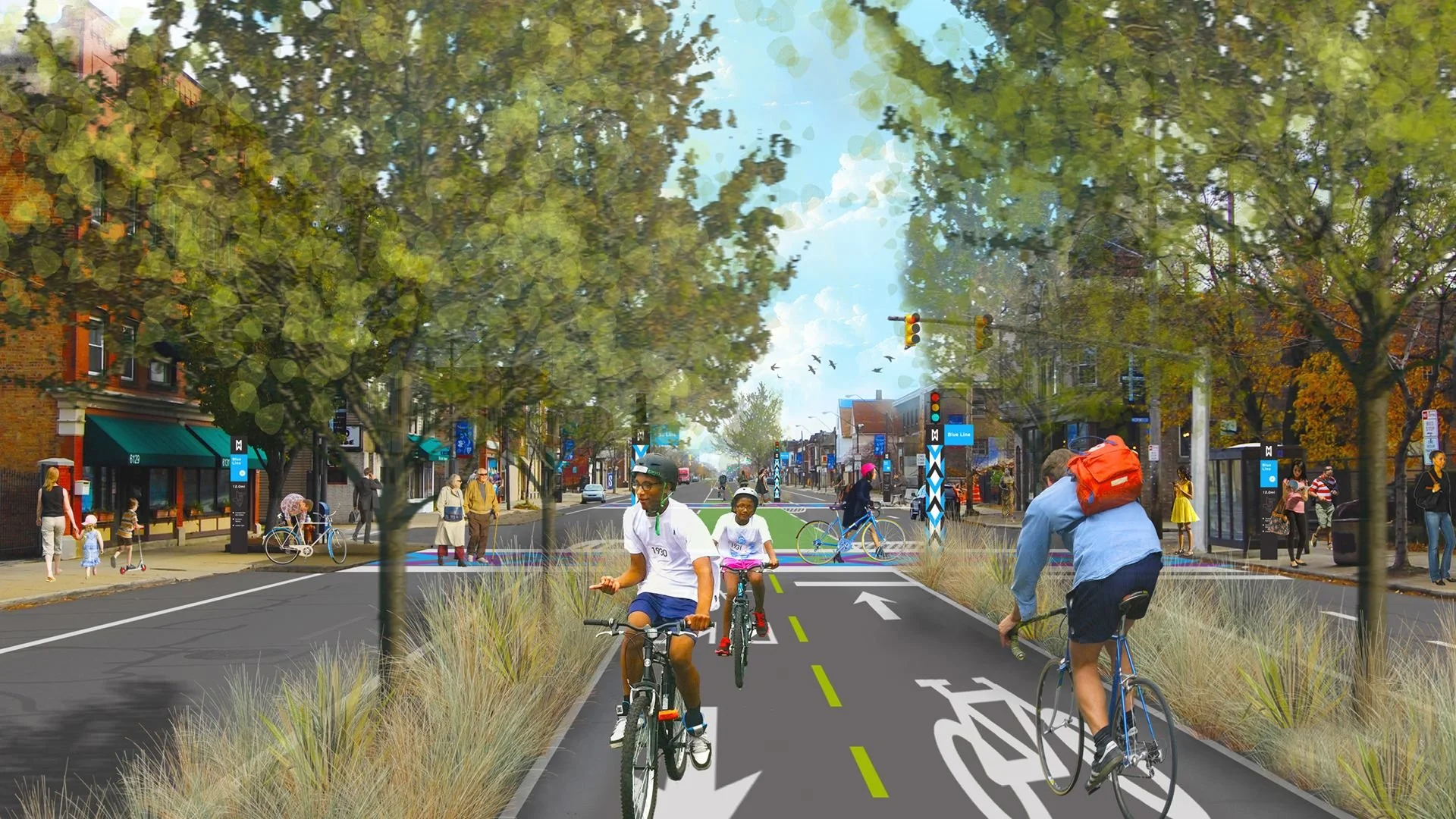
Magic doesn’t only come from stadiums and big-ticket projects. It comes from trumpet players on a Tuesday evening. From pocket parks and pollinator gardens. From tree-lined streets where children can bike safely. From small gestures that say: this place has been skillfully designed so that people can flourish.
Great cities create the conditions where magic happens spontaneously. Where streets and spaces invite life rather than repel it. Where people actually want to be.
The Magic City Vision
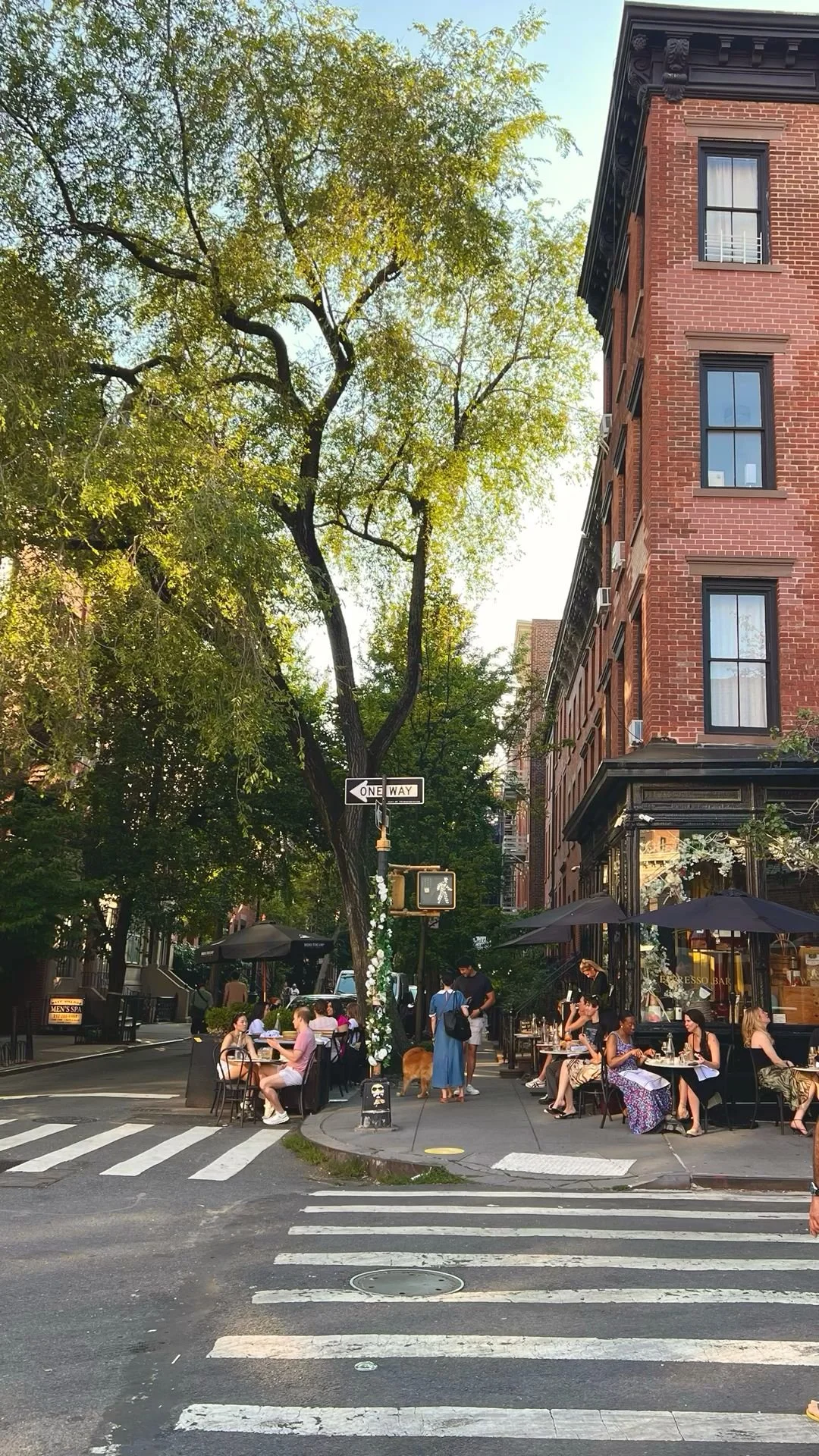
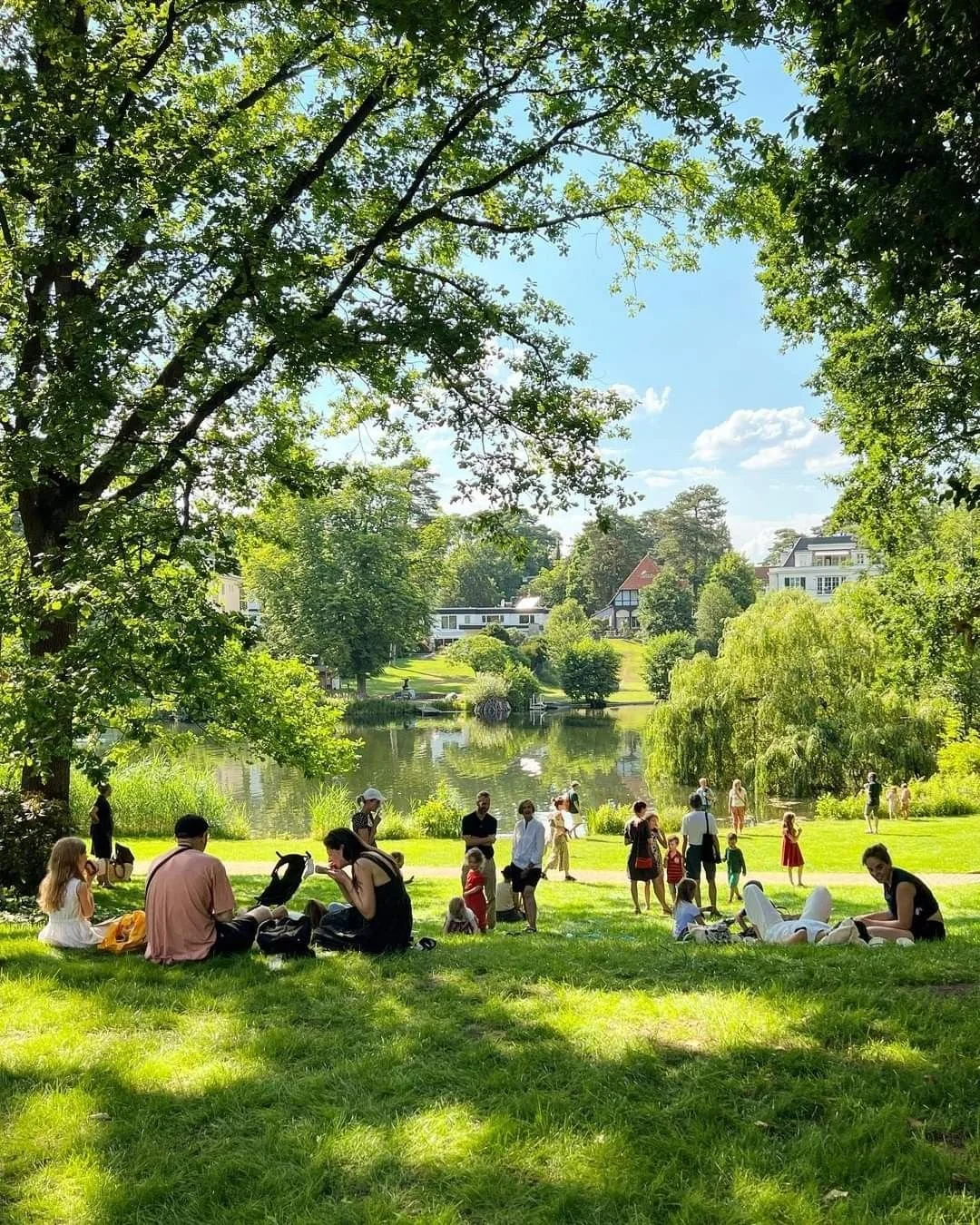
We vacation in these cities. We pay to fly to Charleston, Asheville, Amsterdam, Barcelona. We walk tree-lined streets, stop at cafes, sit in parks, eat at sidewalk restaurants. We come home refreshed, talking about how wonderful those places felt. Then we come back to Richmond and wonder why our city doesn’t feel the same way.
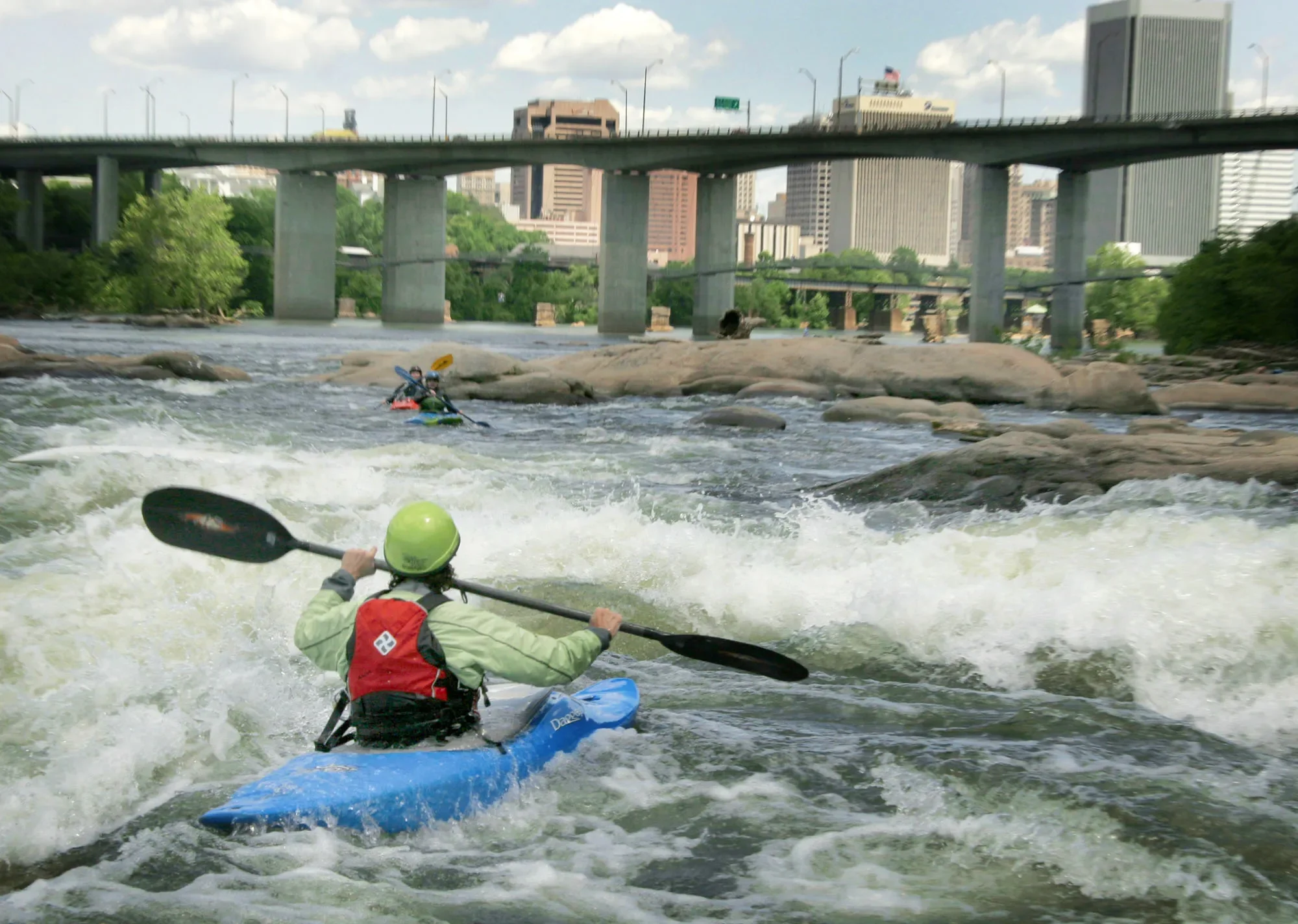
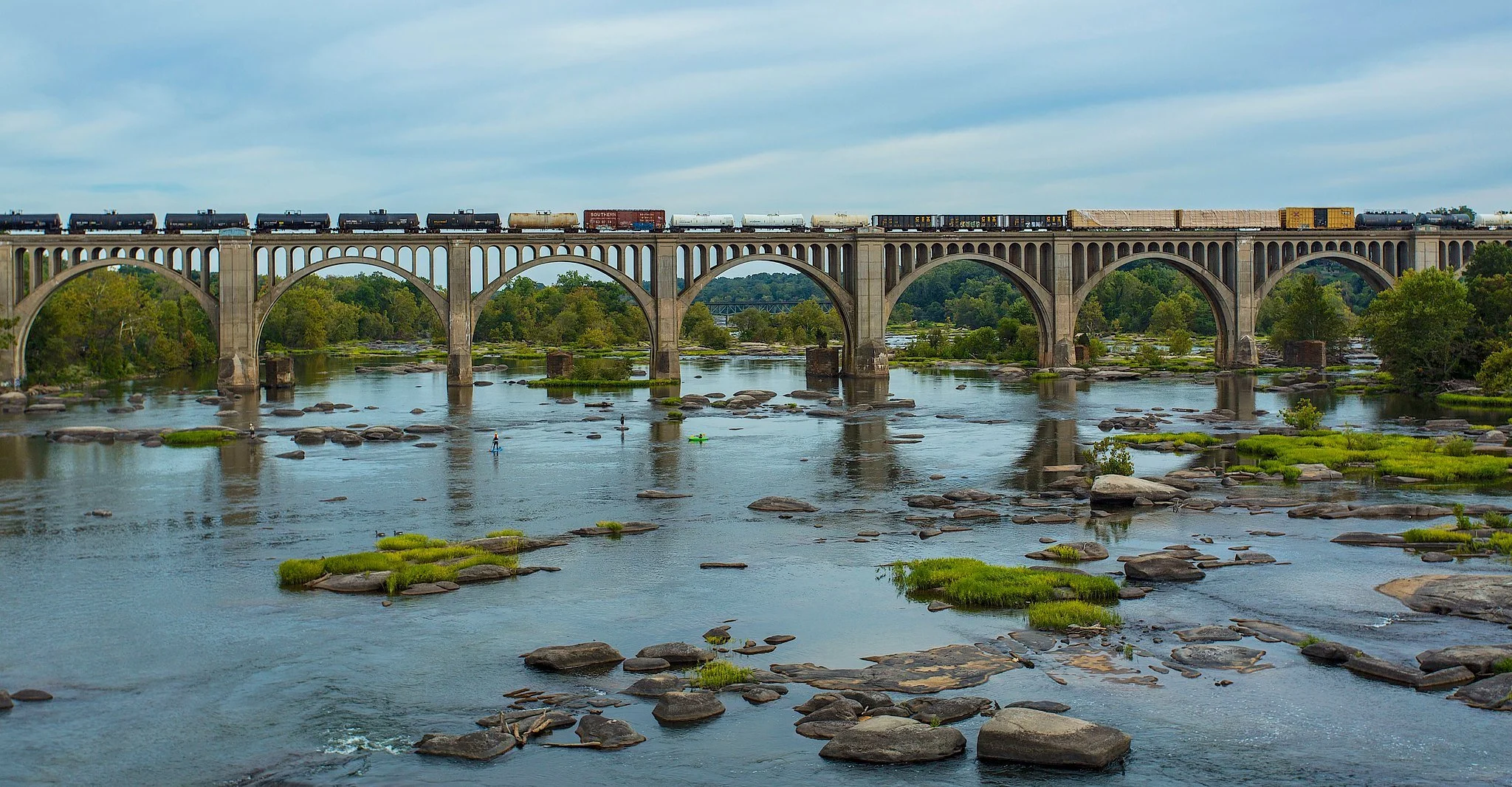
But Richmond is so close! We have gorgeous tree-lined streets, stunning architecture, the river. What we’re missing isn’t beauty – it’s connectivity and the philosophy to fully activate what we have.
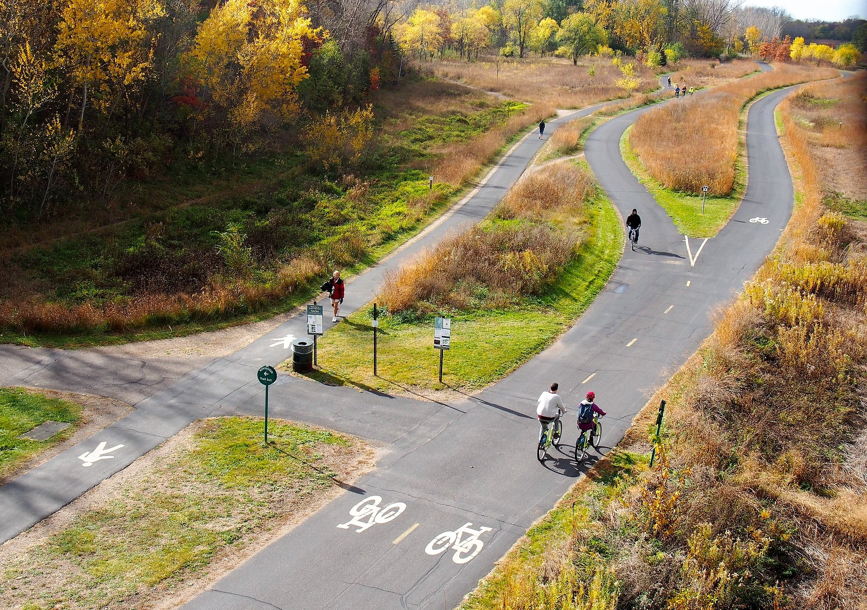
I’m calling this the Magic City, with a Magic City Taskforce – Movement, Access, Growth & Inclusive Communities. It means building robust bike and pedestrian corridors that connect our beautiful neighborhoods. Combining those with real mass transit. Converting abandoned lots into parks and gathering spaces. Incentivizing the small businesses that create street life and magic. Making it easy to move around however works best.
This isn’t radical. It’s what every successful city destination has figured out.
Learning from Others
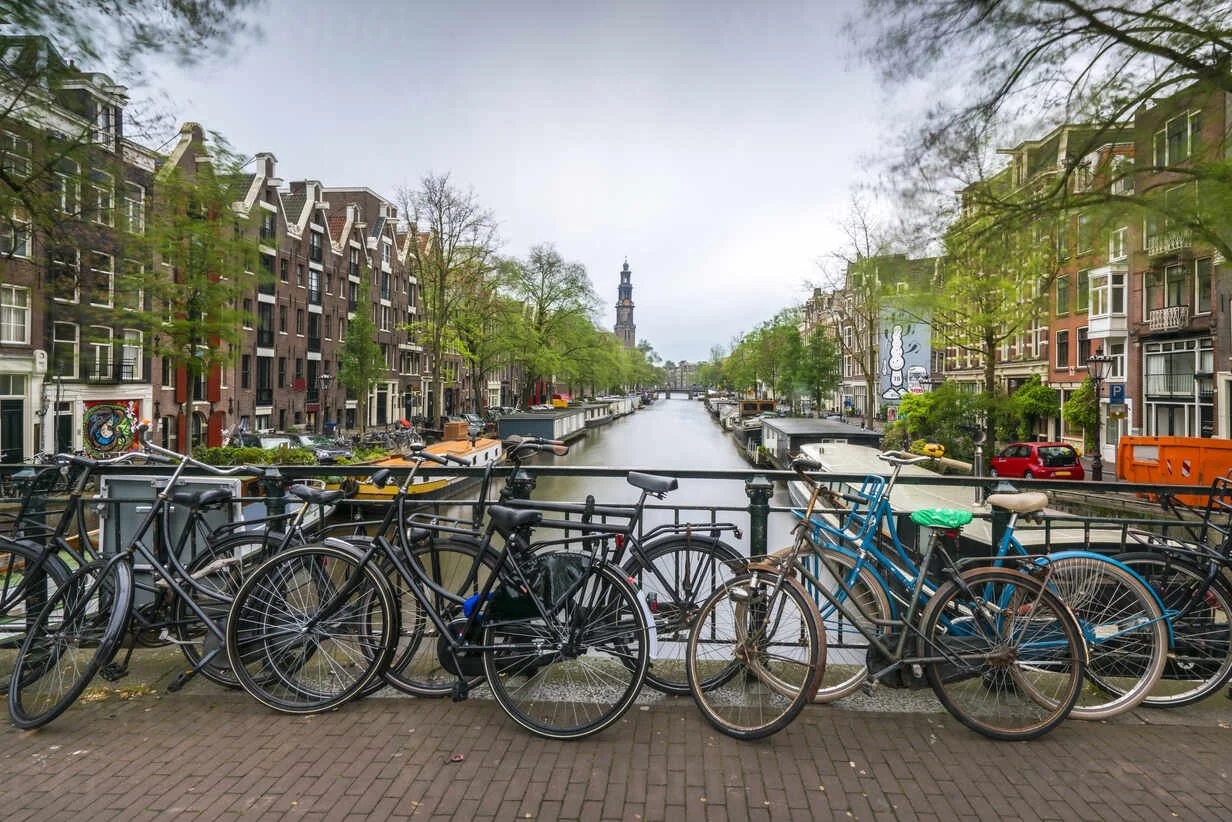
In the 1970s, Dutch citizens looked at streets filled with congestion and where their children were dying in traffic accidents and said no. Not “no” to progress, but “no” to sacrificing their safety and their city’s soul for the convenience of cars.
Critically – they insisted on beauty. They didn’t just want functional bike lanes, they wanted tree-lined paths. They didn’t just want car-free zones, they wanted plazas where children could play, where neighbors could gather, where cafes spilled onto sidewalks. They understood: if you're going to reclaim your city, make it magical.
New York City has always been vibrant and walkable – but the explosion of cycling infrastructure in recent years transformed how people experience it. Protected bike lanes across all five boroughs. Citi Bike stations where parking spaces used to be. A culture shift where biking became legitimate transportation for everyone.
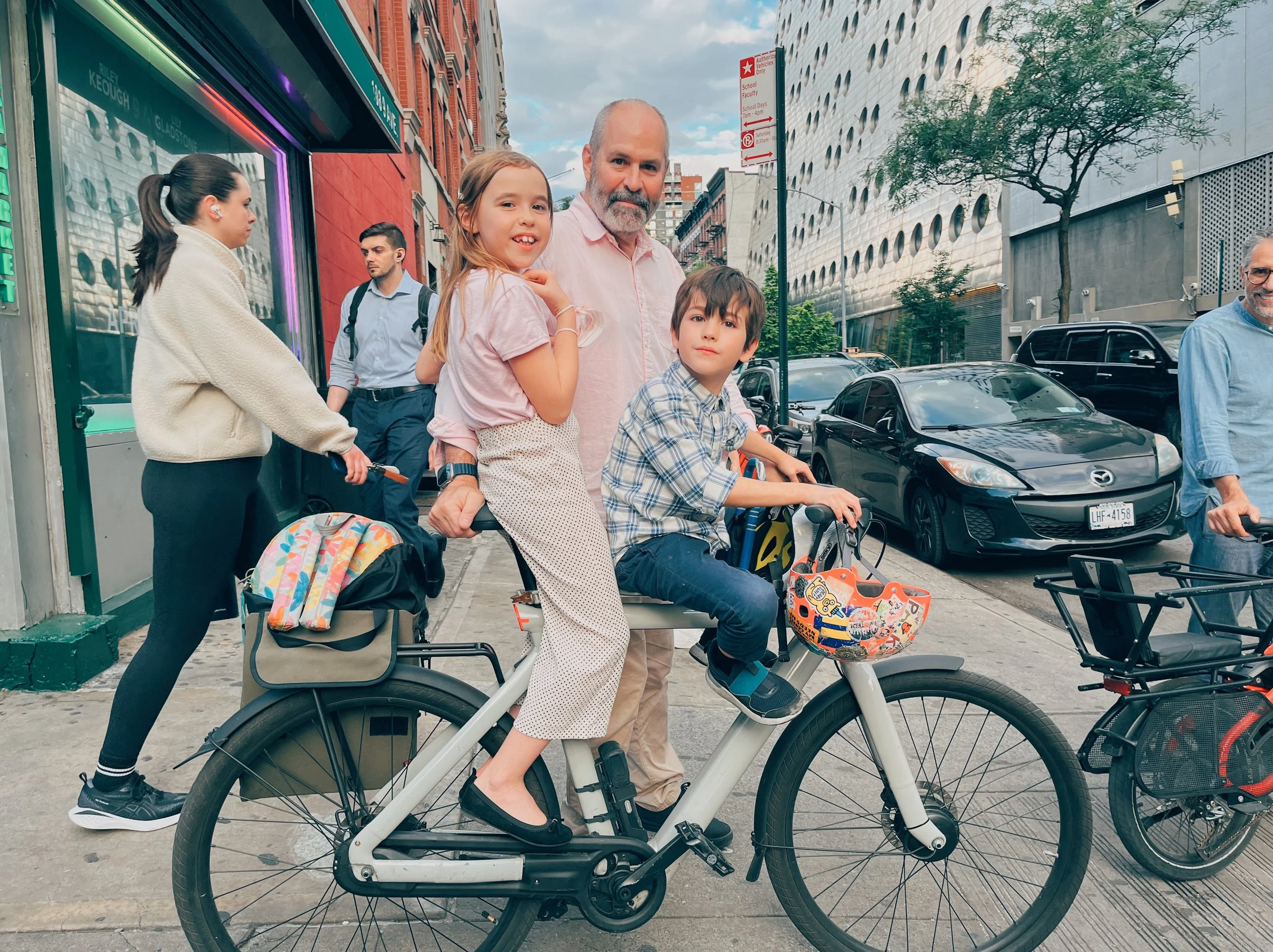
On a recent trip, we met friends who had cycled to meet us from Harlem to Chelsea with their 9-year-old on a Saturday evening – 110 blocks, 5 miles through the city for pleasure, not necessity. That freedom – that everyday magic – happens when you build infrastructure that gives people permission to move through their city safely and joyfully.
The pattern is clear: create places people love to be, and everything else – economic vitality, property values, talent attraction – follows naturally.
What We’ve Lost and What We Could Gain
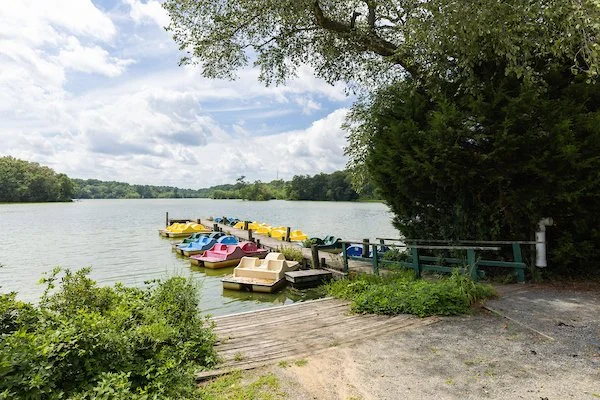
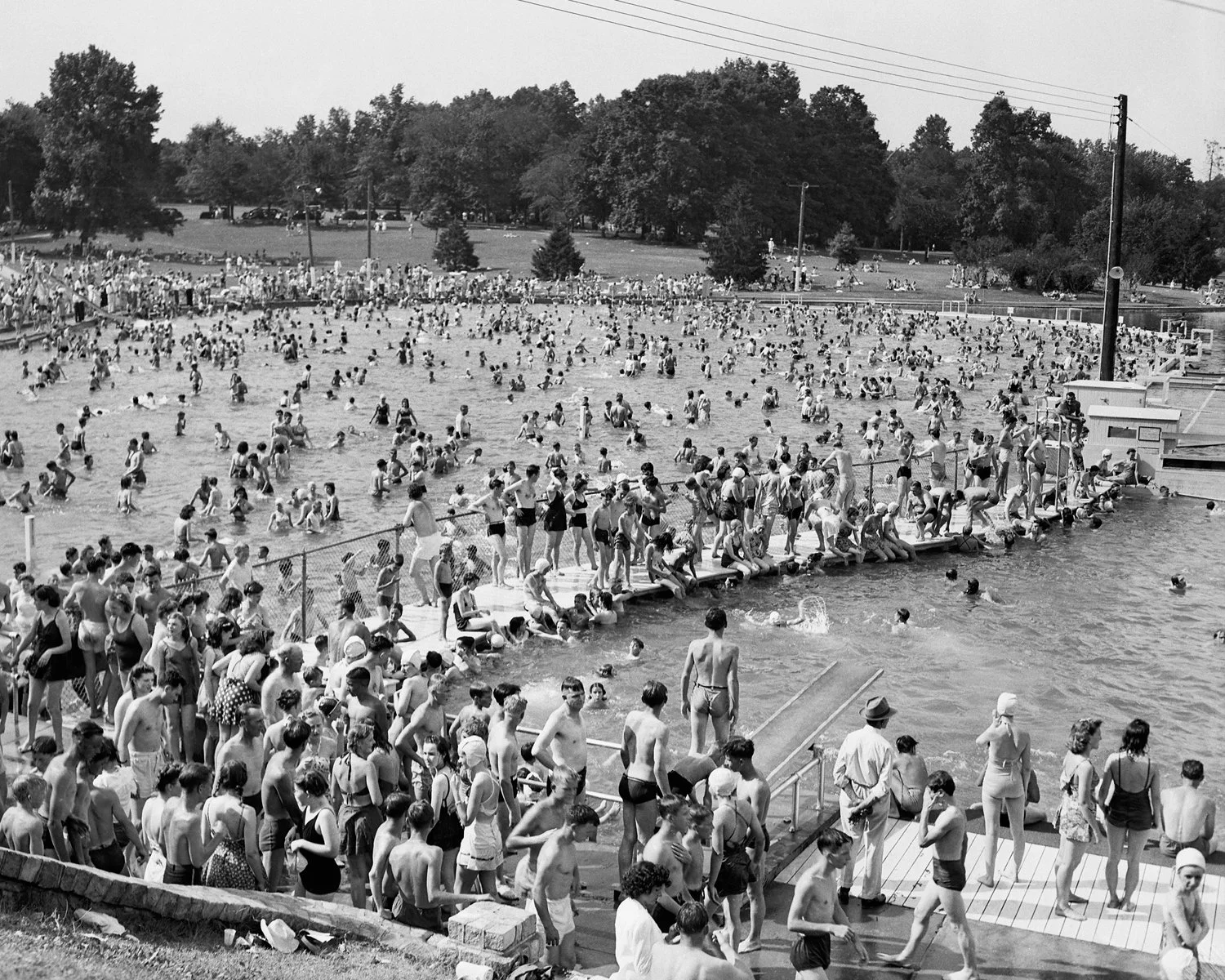
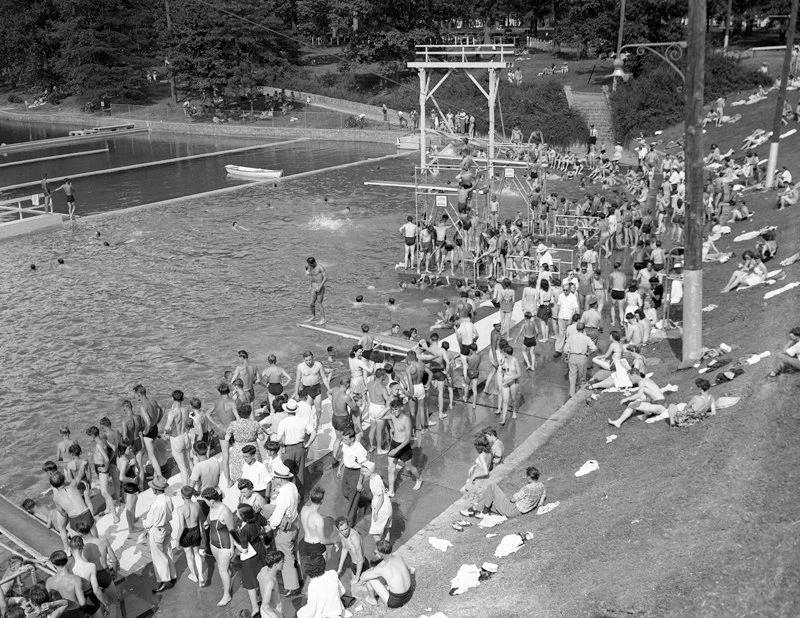
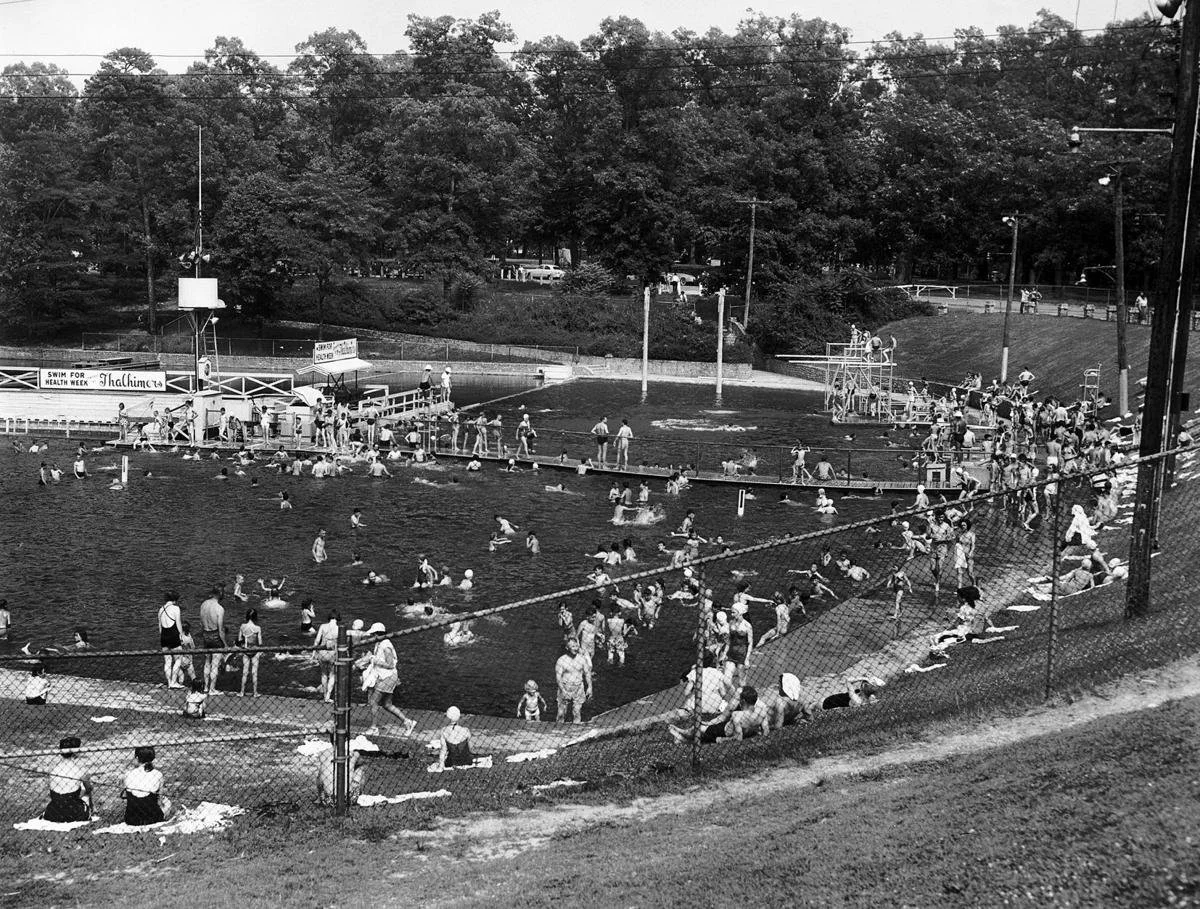
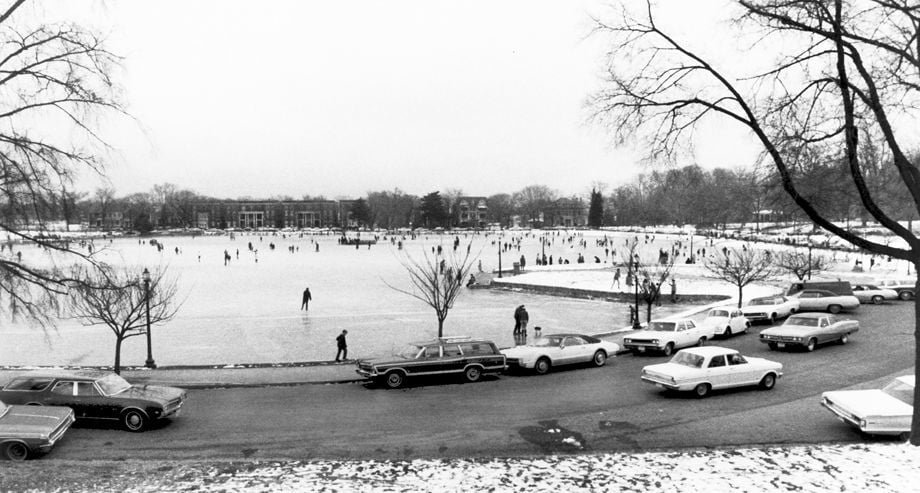
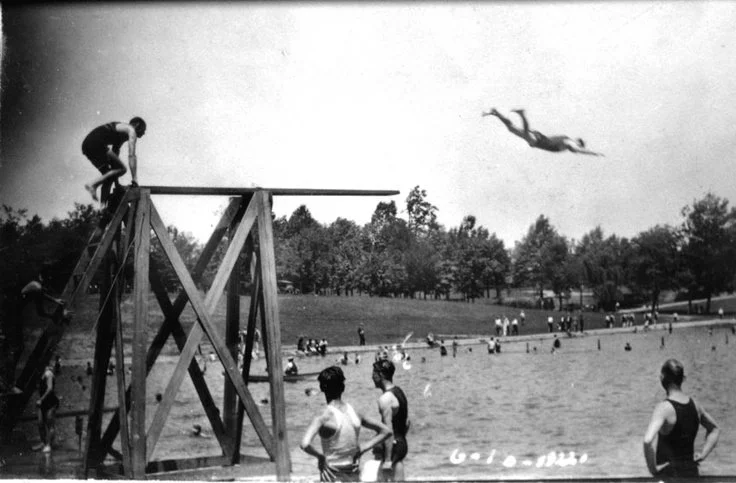
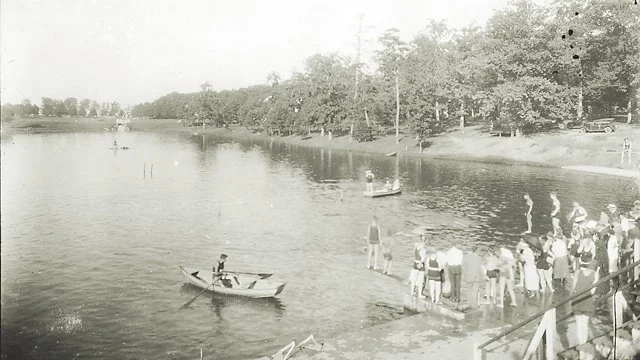
Before white flight, the Byrd Park ponds were public pools filled with hundreds of people swimming in the inner city. Magical. Someone had the vision to create that. A hundred years later, they’re lovely yet dormant ponds with no activity, no life. That’s what complacency looks like.
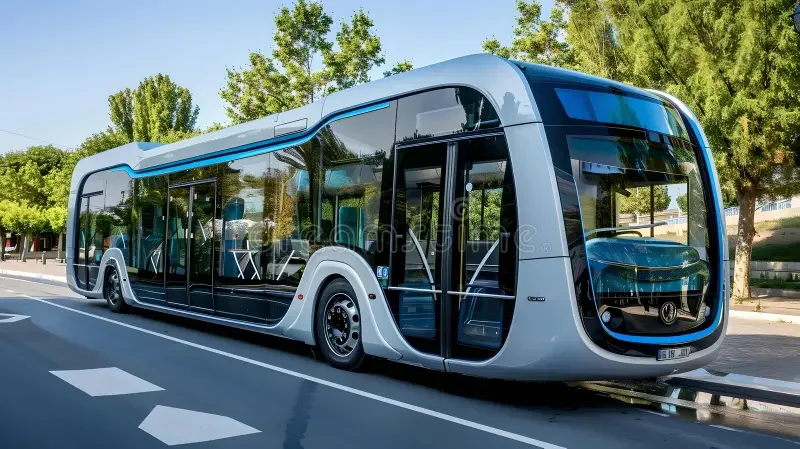
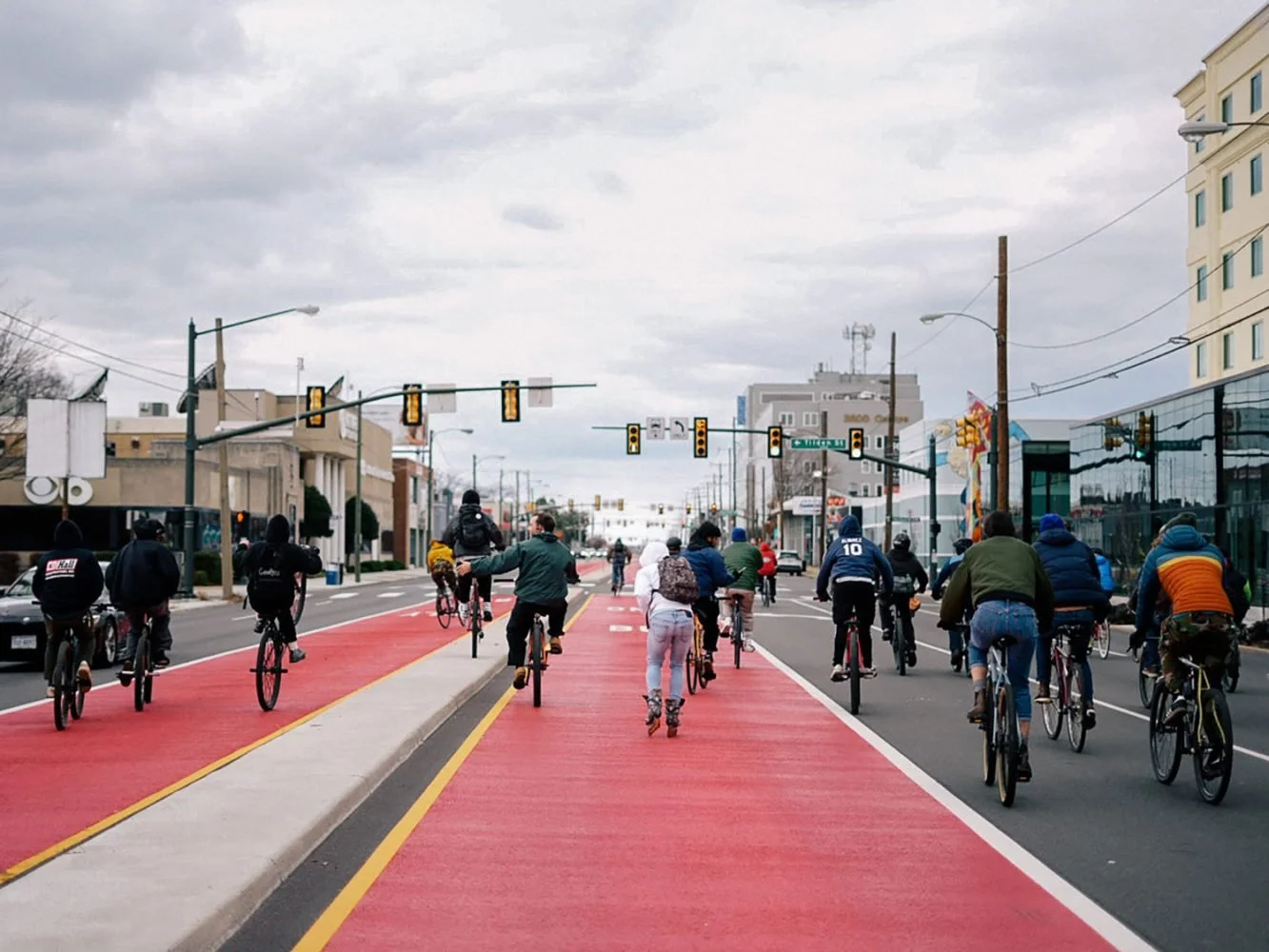
The Pulse taught us something too. Built more to capture federal funding than for Richmond’s true transit needs, the Pulse-only traffic lanes are frequently being used as one of the few safe corridors for cycling. In architecture, this is called a “desire path” – when people’s behavior reveals what should have been built. People are telling us what they want. They’re creating magic wherever they can find safe space to do so. What would it mean to them if the City met them halfway?
Imagine what’s possible: those Byrd Park ponds activated with paddleboats, vendors, buskers, and cafes. Broad Street connected by protected bike lanes that let people move safely through the city. Our already beautiful neighborhoods linked by corridors where you can walk or bike without fear. More parks, more public spaces where community naturally forms. More support for the small businesses and restaurants that help encourage street life (and magic). Tough storefront vacancy penalties for building owners. Mass transit that actually works for how people want to move and encourages ridership. The kind of place where families from Short Pump drive in on Saturday evening because there’s nowhere they’d rather be.
Building the Best City in the World
The recent pedestrian deaths are symptoms of a larger issue: we’ve been making infrastructure choices without a unifying vision, philosophy, and goal – is this serving to make Richmond a magical place to live and visit?
In a post-COVID world, small and mid-sized cities face an existential crisis about what it means to be a city, what downtown means. We’ve tried the old way. What do we have to lose?
In the wake of these tragedies, let's not just say we'll build better crosswalks. Let's tie it to a larger vision: we're going to transform this city through structure, design, and a philosophy that says when we build, we expect it will become one of the best cities in the world.
What Does This Look Like in Application?
The Magic City Taskforce would be a small, cross-disciplinary team with a simple mandate: look at any city block, street corner, or public space in Richmond and answer the question “how can we add some magic?”
Not a committee that implements a predetermined plan, although access and connectivity will likely be recurring themes. A group empowered to hunt for opportunity – to see potential where others see ordinary, to ask “what could this be?” and have the authority to make it happen. Show them a vacant lot, a struggling corridor, an underused park, and they come back with ideas to activate it, beautify it, connect it, make people want to be there.
They would also serve as an oversight committee, weighing in on infrastructure decisions as part of the larger plan to create a magic city. Every new road project, every streetscape design, every public works decision would be evaluated through this lens: does this serve our vision?
Every space has potential. Small interventions can transform how people experience a place. The question is always: how can we help make this a place people want to be?
This could start small: quick wins that demonstrate what’s possible. A pollinator garden here, a parklet there, musicians on a street corner, a festival that shows what a corridor could feel like. Protected bike lanes that connect our beautiful neighborhoods. Each success builds momentum and shows people the vision. Each gesture says: we believe Richmond’s beauty deserves to be fully connected and activated.
I’d welcome the opportunity to discuss the Magic City Taskforce further. What I’m describing isn’t about choosing bikes and pedestrians over cars or community gardens over coliseums. It’s about having the courage to create magic – from the smallest gesture to the boldest infrastructure – and building a city we'd actually pay to visit right here at home.
Willfulness of choice over how we live.
Thank you for your time and for your service to our city.
Sincerely,
Jonathan Goldberg